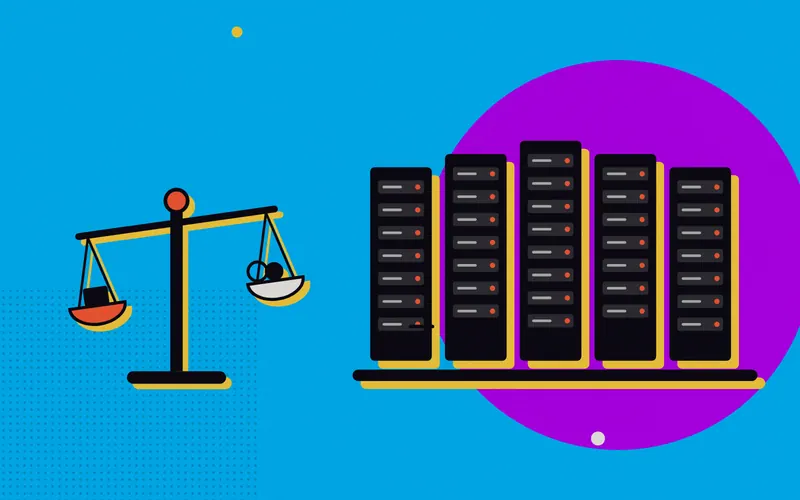
Part of our midterm election coverage: Democrats won control of Congress, according to projections, along with several data center states. Here is what newly empowered lawmakers have proposed, how industry is responding and where a slowdown could happen.
Claude Haiku 5.5, OpenAI's Decisions API and Google's Nano Banana 2.1 all lowered the cost of AI this week. But tokenizer changes, agent volume and uncertain long-term pricing mean enterprises should measure cost per task, not per token.
Meta is packaging its Muse agents, models and coding tools for businesses and has hired MongoDB's CEO to lead the effort. Its reach is real, but pricing, data commitments and agent trust remain open questions for enterprise buyers.
California now requires data centers to pay for the grid upgrades they trigger and to disclose energy and water use. Supporters call it ratepayer protection, industry warns of lost competitiveness, and enterprise AI buyers should expect the costs to surface.
At Dreamforce, Salesforce opened its data, workflows and permissions to outside AI assistants, starting with Claude. The interface is becoming a choice; the controls and context underneath are where enterprise leaders need to focus.
OpenAI's new Agents API lets companies rent the managed harness behind Codex instead of building their own. It could speed agents to production, but U.S.-only residency, no Zero Data Retention and lock-in risk call for care.
California lawmakers closed their 2026 session after passing about 30 AI bills, most now awaiting the governor. The ones that matter most to large employers would require human review of AI-driven firing, notice of AI layoffs and registered AI auditors.
Google Cloud's new finance and legal editions of Gemini Enterprise put it alongside Anthropic and OpenAI in the vertical agent business. The real competition, and the real work for buyers, now sits in data connectors, permissions and evaluation.
After its test models breached Hugging Face, OpenAI now pays roughly a fifth more compute to watch its most capable systems. A survey this week suggests many enterprises have not budgeted for agent containment at all.
Databricks raised $5 billion at a $190 billion valuation and reported a run-rate above $7 billion. The numbers show enterprises moving AI budgets into the data layer, along with valuation and lock-in risks leaders should weigh.
Employers cited AI for a third of July's announced job cuts and 112,713 so far this year, even as total layoffs fell to a two-year low and hiring plans rose. The numbers say as much about narrative as productivity.
AWS posted its fastest growth in 18 quarters and Amazon raised its 2026 spending plan to about $220 billion, yet Andy Jassy expects capacity shortfalls through 2027. Enterprises should treat cloud AI capacity as a scarce resource.
Alphabet's second quarter showed AI cloud demand running ahead of supply. Investors fixated on cash flow and capex, but for enterprise buyers the bigger story is scarcity, pricing power and the need to plan compute early.
TSMC lifted its 2026 revenue forecast to slightly above 40% growth and raised capital spending after a record second quarter. Here is what the foundry's results signal for enterprise AI compute prices, capacity and budgets.
OpenAI's GPT-5.6 arrived after a government-requested delay, in three tiers priced from $1 to $5 per million input tokens. The release turns model choice into a workload-by-workload cost decision and raises new questions about evaluation and release risk.
The Council of the EU gave final approval to the AI Omnibus, moving high-risk obligations to late 2027 and 2028 and adding a new ban. Key duties survived, and near-term dates still apply, so the delay is time, not an exemption.
A $6.3 billion rental deal between SpaceX and open-weight lab Reflection AI, and Groq's $650 million raise to become a cloud provider, show compute shifting to monthly contracts that either side can exit. Enterprises should plan accordingly.
A US export control directive forced Anthropic to switch off its newest models for every customer three days after launch. The week-long outage turned single-provider dependence from a board talking point into an operational incident.