Subscription Economy Data Science: Use Cases Across the Customer Lifecycle
In a session at the Data Science Innovators Conference 2023, Zuora senior data scientist Harshad Shrikhande mapped data science use cases onto the subscription customer lifecycle, from prospect targeting to win-back offers. He also answered audience questions on AI versus data science, analyst roles and career switching.
By The AI Enterprise Magazine Team3 min read
Key takeaways
- Tie work to three levers. Acquire new customers, retain existing ones and expand revenue through cross-sell and upsell.
- Usage data replaces surveys. Recurring usage trends show whether customers like a feature or campaign without explicit feedback.
- Use cases span the funnel. Targeting, trial offers, conversion offers, next-best-product, rewards, usage prediction, churn prediction and win-back.
- Timing and personalization matter. Shrikhande cited YouTube, The Wall Street Journal, ESPN and The New York Times as examples from a user's view.
- Analyst and scientist lines are blurring. Automation means more people are expected to analyze, model and present.
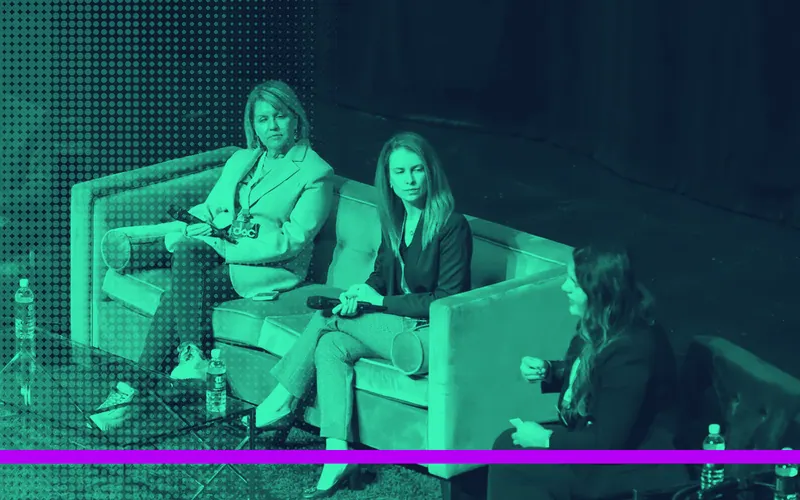
In a session at the Data Science Innovators Conference 2023, Harshad Shrikhande, a senior data scientist at Zuora, walked attendees through how data science applies at each stage of a subscription business, from targeting prospects to winning back customers who are about to cancel. Shrikhande, who spent seven to eight years at an analytics consulting company before joining Zuora, said Zuora provides software to other subscription businesses. His talk was followed by a live chat Q&A on career questions.
Why is the subscription economy a good fit for data scientists?
Shrikhande defined a subscription business as one built on recurring, predictable revenue from an ongoing customer relationship. He cited a projection that the market would reach almost one and a half trillion by 2025, and said subscriptions now reach across industries, not only streaming and delivery services.
He named three growth levers: acquiring new customers, retaining existing ones, and increasing revenue from current subscribers through cross-sell and upsell. "It's important as a data scientist to always have a clear line of sight into how your work impacts these three business goals," he said.
What makes subscription data different?
Shrikhande pointed to three features that he said make the field attractive. First, each customer's journey is unique, because customers can choose different products, rate plans, billing cadences and usage-based charges, which creates room for personalization.
Second, the business receives a recurring stream of usage data from customer interactions. Third, explicit feedback is less necessary. In his words, a team can read usage trends to see whether a customer likes a new feature or a marketing intervention, rather than relying on surveys or ratings.
Where does data science fit across the subscription lifecycle?
Shrikhande organized the use cases along a funnel running from prospect to at-risk customer.
- Prospects: targeting models to find the best prospects for the sales pipeline, and models to decide which free-trial offer a prospect is likely to accept.
- Trial users: models to identify the winning offer that converts a free-trial user to a paid subscriber.
- New subscribers: next-best-product recommendations for complementary products, upgrades and bundles that expand revenue.
- Loyal subscribers: personalized "surprise and delight" rewards for tenure, and usage prediction that supports planning and gives subscribers visibility into consumption.
- Customers at risk: prediction of full churn or partial churn from a single offering, plus win-back offers such as a downsell, a pause or a discount.
Which companies does the approach already appear in?
Shrikhande gave four consumer examples, describing them from a user's point of view rather than from inside those companies. He said YouTube presents its free trial at a time based on usage, so timing is key. He said The Wall Street Journal tailors its offers to a user's profile and usage, and that ESPN uses product bundling across its portfolio.
For The New York Times, he said that a user who tries to cancel and gives a reason is shown an offer chosen from that reason and the user's history. He called the opportunity for data scientists at subscription companies "gold."
What did Shrikhande say about careers in data science?
Audience questions turned to careers. On the difference between data science and AI, he said AI is the overarching field, which has existed for about 35 to 40 years, while data science is "the enabler" for building AI systems.
He said the line between data analysts and data scientists is blurring because automation has changed how analytics is run, so people are increasingly expected to analyze, build models and present results to the business. Asked whether experienced professionals switching careers would be treated as freshers, he said business experience and industry knowledge help, though it depends on the role. For people moving from fields such as product management, he pointed to online courses and tools, and said access to resources makes the move fairly easy.
What is next from AI Connect?
AI Connect's programming has since grown into a larger events and webinar calendar. COLLIDE 2027, the largest AI conference in the Southern U.S. with more than 1,000 enterprise data and AI leaders, takes place Wednesday, October 13, 2027, at the Sandy Springs Performing Arts Center in Atlanta. The 2027 schedule also includes 24 free live webinars; details are on the webinars page, and COLLIDE registration is coming soon.
Frequently asked questions
How is data science used in a subscription business?
Shrikhande described models at each funnel stage: prospect targeting, free-trial and conversion offers, next-best-product recommendations, personalized rewards, usage and churn prediction, and win-back offers.
Why is subscription data valuable?
He said customers have unique journeys, usage data arrives continuously, and usage trends can stand in for explicit feedback such as surveys or ratings.
What is the difference between data science and AI?
He said AI is the overarching field, around for roughly 35 to 40 years, and data science is the enabler for building AI systems.
Do data analysts and data scientists do the same job?
He said the lines are blurring because automation has changed analytics, so most people are expected to analyze, build models and present.
This article is based on remarks by Harshad Shrikhande, Senior Data Scientist, Zuora at Data Science Innovators Conference 2023 on April 12, 2023. More coverage: More AI Connect Events.
Filed under: AI Use Cases & Applications